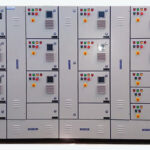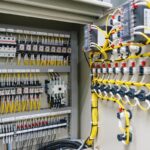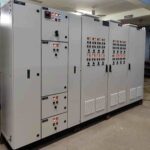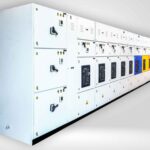

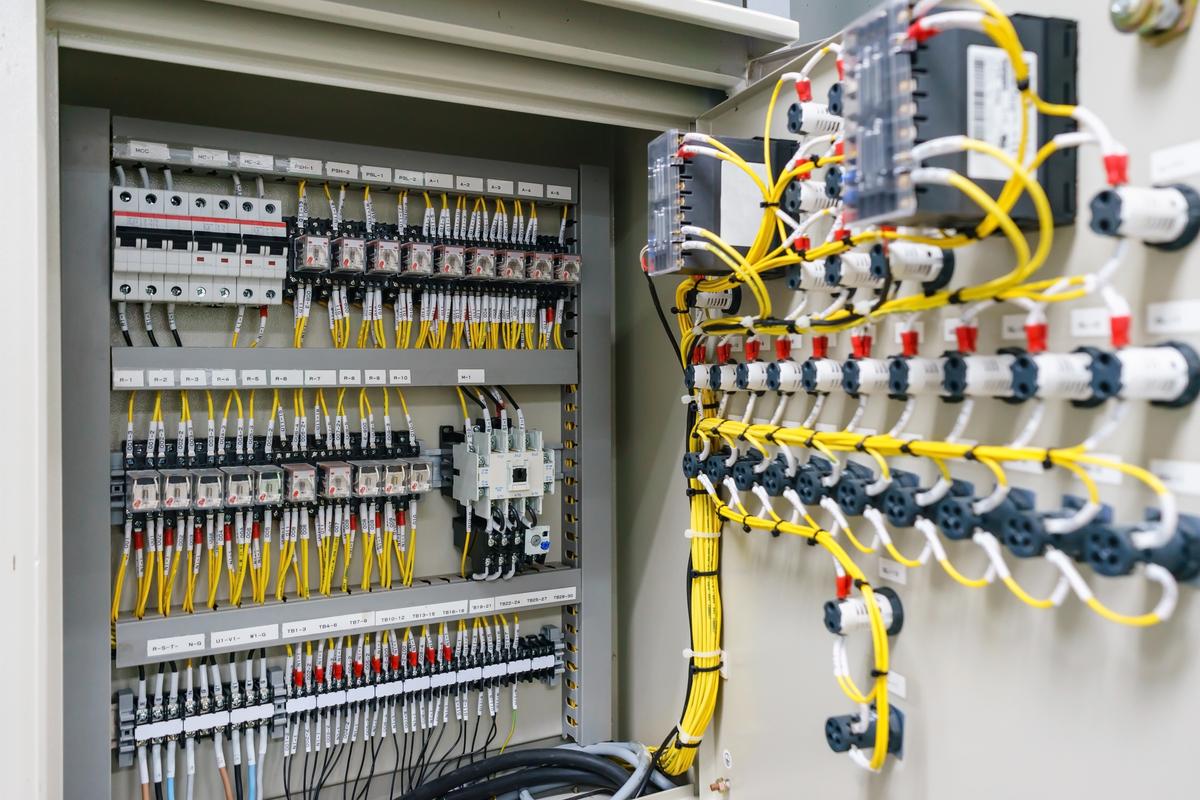
Selecting the appropriate power distribution panel for your facility is one of the most critical decisions you’ll make when setting up or upgrading your electrical infrastructure. The right panel ensures safe, efficient, and reliable power distribution throughout your operations, while the wrong choice can lead to downtime, safety hazards, and costly repairs. This comprehensive guide will walk you through everything you need to know to make an informed decision.
A power distribution panel serves as the central hub of your facility’s electrical system, receiving power from the main supply and distributing it to various circuits and equipment throughout your building. Think of it as the traffic controller of your electrical infrastructure, managing the flow of electricity to where it’s needed while protecting against overloads and short circuits.
Modern power distribution panels have evolved far beyond simple circuit breakers. Today’s panels integrate sophisticated monitoring, control, and protection features that help optimize energy consumption, prevent failures, and provide real-time insights into your electrical system’s performance.
The first step in selecting the right power distribution panel is understanding your facility’s total electrical load. This involves calculating both your current power needs and anticipating future expansion. Underestimating your load requirements can lead to overloaded circuits and frequent tripping, while significant overestimation results in unnecessary capital expenditure.
Consider the following when assessing your load:
For industrial facilities, specialized panels like MCC Panels (Motor Control Centers) are essential for controlling multiple motors and large machinery. These panels provide centralized control and protection for motor-driven equipment, making them indispensable in manufacturing and processing plants.
Different facilities have unique power distribution needs based on their operations:
Commercial Buildings: Require reliable power distribution with emphasis on lighting, HVAC systems, and general office equipment. An HVAC Electrical Panel specifically designed for climate control systems ensures optimal performance and energy efficiency of heating and cooling equipment.
Industrial Facilities: Need robust Main LT Panels (Low Tension Panels) capable of handling heavy machinery, production equipment, and process automation. These environments often require load management and sync panels to balance power distribution and manage generator synchronization during power outages.
Data Centers and IT Facilities: Demand uninterrupted power supply and sophisticated monitoring. Integration with UPS (Uninterruptible Power Supply) systems and real-time monitoring capabilities are non-negotiable for these critical operations.
Healthcare Facilities: Require specialized panels for life-safety systems, including Fire Fighting Panels that ensure emergency systems remain operational during critical situations.
Modern facilities increasingly require advanced power management capabilities beyond basic distribution. Consider panels that offer:
APFC (Automatic Power Factor Correction): Poor power factor leads to higher electricity bills and reduced system efficiency. APFC panels automatically monitor and correct power factor, resulting in significant cost savings and improved electrical system performance.
Load Management Systems: Sophisticated load management and sync panels can automatically prioritize critical loads during peak demand or power shortages, ensuring essential operations continue uninterrupted.
Backup Power Integration: AMF Panels (Automatic Mains Failure Panels) provide seamless transition between grid power and backup generators. When combined with relay and generator control panels, these systems ensure zero downtime during power outages.
The era of standalone electrical panels is giving way to integrated smart systems. Consider how your power distribution panel will integrate with broader facility management systems:
Building Management Systems: Modern BMS/EMS Systems (Building Management System/Energy Management System) can monitor and control power distribution alongside HVAC, lighting, and security systems, providing centralized facility oversight.
Industrial Automation: For manufacturing facilities, integration with plant automation systems and machine automation is crucial. Panels that support PLC HMI VFD SCADA programming and installation enable sophisticated control over production processes.
Specialized Control Systems: Depending on your industry, you may need specialized automation:
Real-time visibility into your electrical system’s performance is no longer a luxury—it’s a necessity. Modern power distribution panels should offer:
These features help identify potential issues before they cause failures, optimize energy usage, and support informed decision-making about your electrical infrastructure.
Your power distribution panel must comply with all relevant electrical codes and safety standards. In India, this includes IS (Indian Standards) regulations and guidelines from the Central Electricity Authority. Non-compliance not only poses safety risks but can also result in legal liabilities and insurance issues.
Key safety features to look for:
Even the best power distribution panel will underperform if improperly installed. Panel supply and installation should always be handled by qualified electrical contractors with relevant experience. SITC Work (Supply, Installation, Testing, and Commissioning) ensures your panel is not only installed correctly but also thoroughly tested and validated before being put into service.
Professional installation includes:
When selecting a power distribution panel, think beyond immediate needs:
With increasing focus on sustainability, many facilities are incorporating solar power. If you’re considering solar system and installation, ensure your power distribution panel can accommodate:
Choosing the right power distribution panel is complex, but you don’t have to navigate it alone. AS Electrical Drives & Automation brings decades of expertise in electrical panel design, manufacturing, and installation, making them your ideal partner for all your power distribution needs.
AS Electrical Drives & Automation offers end-to-end solutions covering:
With extensive experience across diverse sectors, AS Electrical Drives & Automation understands the unique requirements of different industries. Whether you need a sophisticated cold storage SCADA system, industrial motor control centers, or simple power distribution for a commercial building, their team has the knowledge and capabilities to deliver optimal solutions.
AS Electrical Drives & Automation uses only premium components and follows stringent quality control processes, ensuring every panel meets the highest standards of safety and performance. Their commitment to excellence is reflected in long-lasting, trouble-free installations that protect your investment and support your operations.
Beyond installation, AS Electrical Drives & Automation provides ongoing support including maintenance, troubleshooting, upgrades, and training. Their responsive service team ensures your electrical systems continue performing optimally throughout their lifecycle.
Selecting the right power distribution panel requires careful consideration of your facility’s current and future needs, application-specific requirements, safety standards, and integration with broader automation and control systems. While the initial investment in a quality panel may seem significant, the long-term benefits—including reliability, safety, efficiency, and reduced operational costs—far outweigh the upfront expenses.
Working with experienced partners like AS Electrical Drives & Automation ensures you receive expert guidance throughout the selection, installation, and commissioning process. Their comprehensive approach, from initial consultation through ongoing support, provides peace of mind that your electrical infrastructure is designed, installed, and maintained to the highest standards.
In today’s fast-moving industrial landscape, uninterrupted power distribution and operational reliability are essential for maintaining…
Learn more
In today’s energy-conscious industrial and commercial landscape, HVAC systems are among the largest consumers of…
Learn more
In the rapidly evolving landscape of industrial automation, the efficiency of power management and motor…
Learn moreFeel free to customize this paragraph to better reflect the specific services offered by your IT solution & the unique