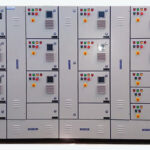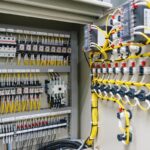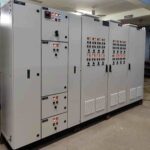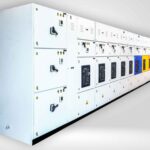

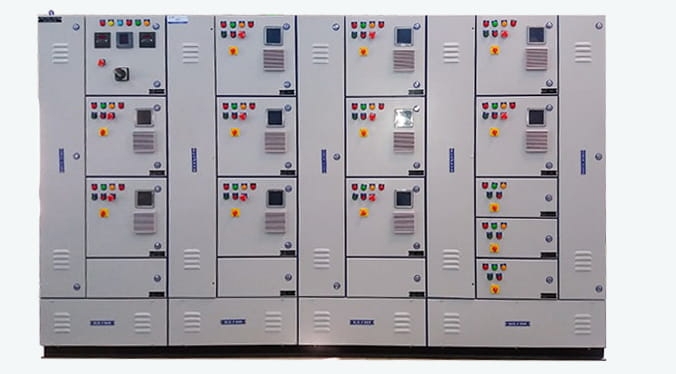
In today’s energy-conscious industrial and commercial landscape, HVAC systems are among the largest consumers of electricity. A well-designed HVAC Electrical Panel plays a crucial role in optimizing energy consumption, reducing operational costs, and ensuring reliable performance of heating, ventilation, and air conditioning systems.
An HVAC Electrical Panel is a specialized power distribution and control panel designed to manage the electrical supply and operation of HVAC equipment such as chillers, AHUs, cooling towers, pumps, fans, and compressors.
It integrates protection, control, monitoring, and automation features tailored specifically for HVAC applications. Proper selection and design of these panels directly impact energy efficiency, system lifespan, maintenance costs, and overall facility performance.
Effective load management ensures that HVAC equipment operates only when needed and at optimal capacity. Modern HVAC Electrical Panels incorporate intelligent load shedding, staging of compressors, and demand-based control strategies.
By preventing simultaneous operation of high-load equipment and balancing power distribution, these panels reduce peak demand charges and improve overall energy utilization.
Inductive loads in HVAC systems (motors, compressors) often result in poor power factor, leading to higher energy bills and penalties.
APFC Panels (Automatic Power Factor Correction) integrated within or alongside HVAC panels automatically maintain optimal power factor. This reduces current draw, lowers I²R losses, and improves voltage stability — delivering immediate energy savings.
Variable Frequency Drives (VFDs) are a game-changer in HVAC energy efficiency. By controlling the speed of motors in pumps and fans according to actual demand, VFDs can deliver 30–50% energy savings in many applications.
HVAC Electrical Panels with built-in VFD integration, proper harmonic filtering, and bypass arrangements ensure smooth operation, extended equipment life, and maximum energy efficiency.
Integration with Building Management Systems (BMS) and Energy Management Systems (EMS) transforms a simple HVAC panel into an intelligent control hub.
Real-time monitoring, automated scheduling, zone-wise control, and data analytics enable facility managers to fine-tune operations and identify energy wastage instantly.
Power fluctuations and outages can severely affect HVAC performance and indoor air quality. AMF Panels (Automatic Mains Failure) ensure seamless switching to generator backup, while UPS systems protect critical controls and sensors.
Reliable power architecture is essential for maintaining uninterrupted HVAC operation in hospitals, data centers, pharmaceuticals, and commercial buildings.
Modern HVAC Electrical Panels integrate ventilation control logic with fire fighting systems. In case of fire, the panel can automatically switch to smoke extraction mode, close dampers in affected zones, and coordinate with Fire Fighting Panels for safety compliance.
A robust Main LT Panel forms the backbone of the entire power distribution network. It feeds dedicated HVAC Electrical Panels with proper protection coordination, metering, and isolation arrangements.
Good distribution architecture ensures minimal voltage drop, proper cable sizing, and fault isolation — all critical for energy efficiency.
SCADA systems and Online Monitoring Systems provide deep visibility into HVAC electrical parameters — current, voltage, power consumption, harmonics, VFD performance, and equipment health.
This data-driven approach enables predictive maintenance, early fault detection, and continuous system optimization for sustained energy efficiency.
A properly designed HVAC Electrical Panel is much more than a power distribution box — it is a strategic asset that drives energy savings, improves system reliability, ensures safety, and supports sustainability goals.
Partnering with experienced professionals like AS Electrical Drives & Automation ensures your HVAC electrical infrastructure is future-ready, compliant, and optimized for performance.
In today’s fast-moving industrial landscape, uninterrupted power distribution and operational reliability are essential for maintaining…
Learn more
Selecting the appropriate power distribution panel for your facility is one of the most critical…
Learn more
In the rapidly evolving landscape of industrial automation, the efficiency of power management and motor…
Learn moreFeel free to customize this paragraph to better reflect the specific services offered by your IT solution & the unique